Brake problems are not always as obvious as a grinding sound. Sometimes the first clue is a pedal that feels lower than normal, a faint squeal during morning stops, or a steering wheel shake that only happens when you slow down from higher speeds.
Those clues are more closely connected than drivers realize.
Brake fluid, brake pads, and rotors all play different roles in stopping the vehicle. When one part wears out, overheats, leaks, or stops working correctly, the whole brake system can feel different. Knowing what each part does makes it easier to understand when your car needs service.
Brake Fluid Transfers Pedal Pressure
Brake fluid is what carries pressure from the brake pedal to the brakes at each wheel. When you press the pedal, fluid moves through the brake lines, helping the calipers or wheel cylinders apply the brakes.
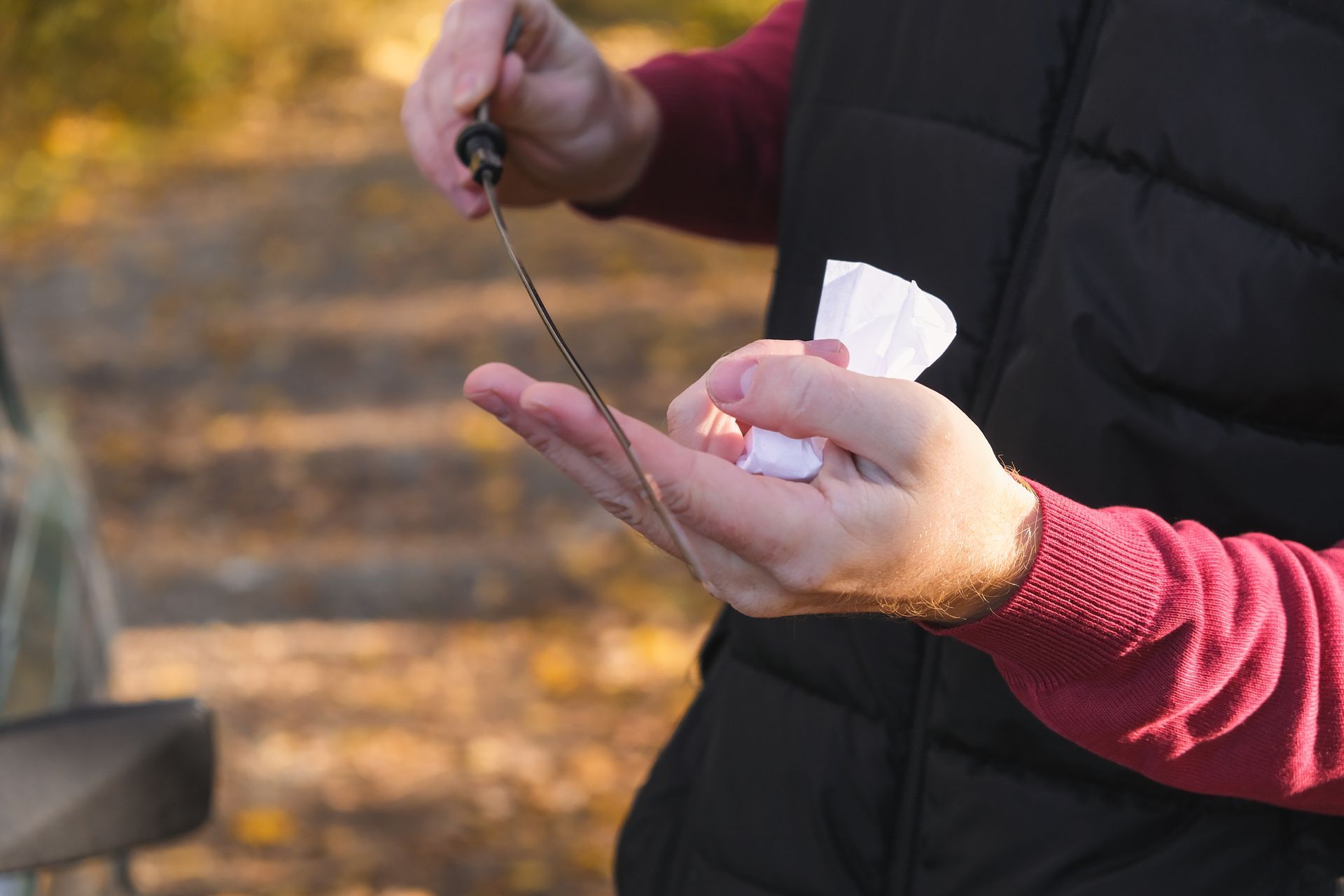
That fluid has to stay clean, sealed, and at the right level. If it gets low, old, contaminated, or filled with air, the pedal can feel soft, spongy, or inconsistent.
Brake fluid does not get used up like fuel. If the level is low, there is a reason. The brake pads may be worn, or the system may leak. Those are very different problems, and both need an inspection before normal driving continues.
Old Brake Fluid Can Change Pedal Feel
Brake fluid absorbs moisture over time. That moisture lowers the fluid’s boiling point and can encourage corrosion inside brake lines, calipers, wheel cylinders, and ABS components.
You may not feel a problem during light driving at first. The trouble often appears when the brakes get hot, such as in traffic, on hills, or during repeated stops. The pedal may feel softer, lower, or less confident than it should.
Brake fluid condition should be checked during regular maintenance, not only after the pedal feels wrong. Fluid service cannot fix worn pads or damaged rotors, but it can help protect the hydraulic parts that make the brakes respond properly.
Brake Pads Are Designed To Wear
Brake pads press against the rotors to slow the vehicle. They are made from friction material, and that material wears down every time you stop. That wear is normal, but it needs to be monitored.
If the pads get too thin, the metal backing can contact the rotor. That is when grinding starts, and rotor damage can happen quickly.
Brake pad wear is not always even. A sticking caliper, dry slide pin, worn hardware, or restricted brake hose can make one pad wear faster than the others. That is why pad thickness and wear pattern both matter during a brake check.
Rotors Need A Smooth, Usable Surface
Rotors are the metal discs that the brake pads squeeze against. They deal with heat, pressure, moisture, rust, and friction every time the vehicle slows down.
A rotor can become grooved, rust-pitted, heat-spotted, cracked, or too thin to reuse safely. It can also develop thickness variation, which may cause the pedal to pulse or the steering wheel to shake during braking.
New pads need a good rotor surface. If fresh pads are installed on damaged rotors, the brakes may make noise, vibrate, or wear unevenly soon after service. That is why rotors should be measured and inspected, not judged only by how they look through the wheel.
Warning Signs Drivers Should Notice
Brake symptoms can show up in different ways depending on which part is failing. A sound, smell, vibration, or pedal change can all point to a brake system issue.
Common brake warning signs include:
- Squealing or screeching when braking
- Grinding sounds from one or more wheels
- A soft, low, or spongy brake pedal
- Steering wheel shake during stops
- The vehicle pulls when braking
- A hot smell near one wheel
- Brake warning light or low brake fluid
These signs do not all mean the same repair. They do mean the brake system needs to be checked before the problem spreads.
Why Brake Parts Should Be Checked Together
Brake fluid, pads, and rotors should not be treated like separate problems. A worn pad can lower the fluid level. A sticking caliper can overheat pads and rotors. Old brake fluid can affect pedal feel. Damaged rotors can make new pads wear poorly.
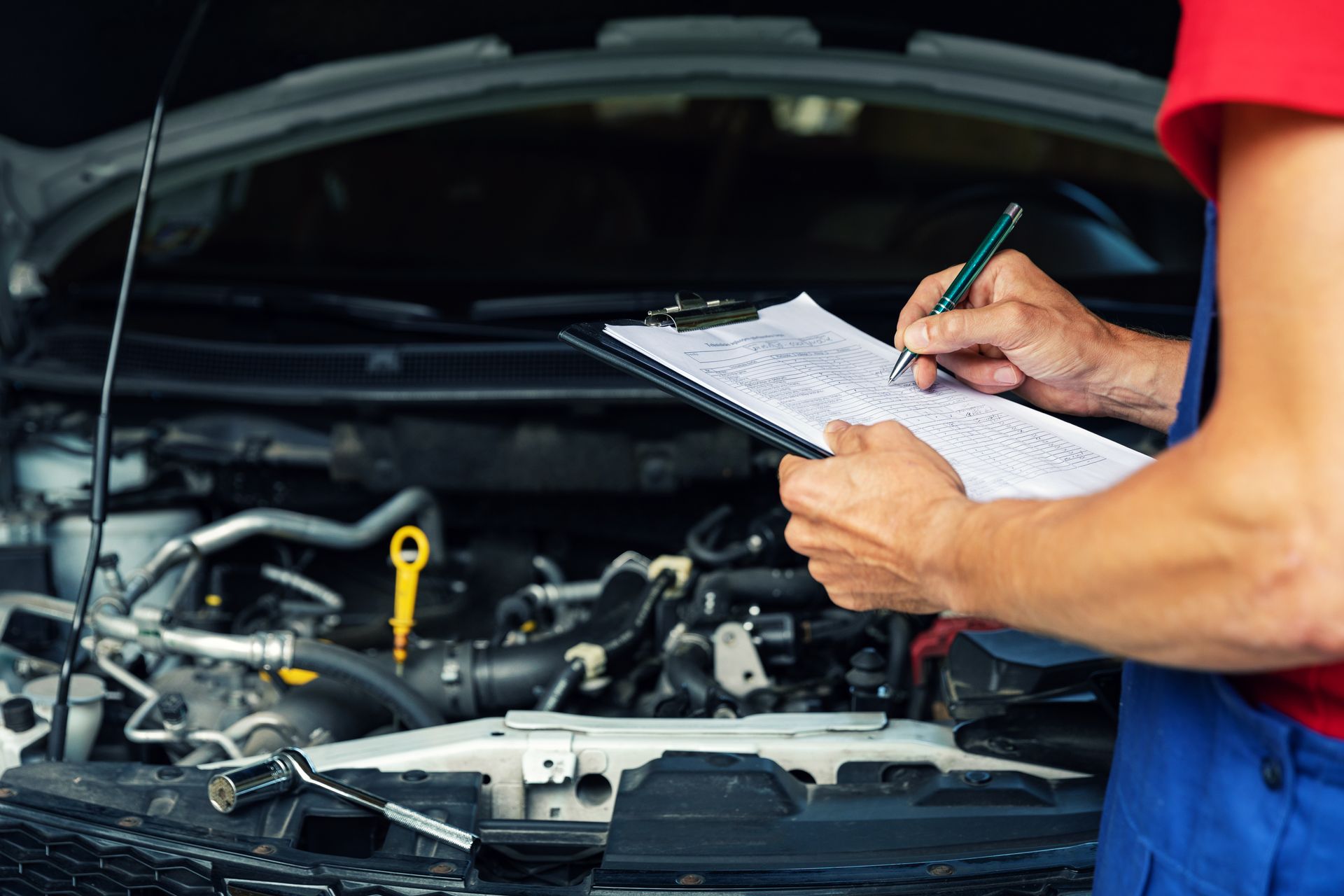
A complete brake inspection should include pad thickness, rotor condition, caliper movement, hose condition, hardware, brake fluid level, and fluid condition. Looking at only one part can miss the reason the symptom started.
The goal is not to replace parts that still have life left. It is to identify the cause, explain what is urgent, and prevent a single worn part from damaging the rest of the system.
Get Brake Service In Mountlake Terrace, WA, With Dave's Auto Service
If your brakes squeal, grind, vibrate, feel soft, or show signs of low brake fluid, Dave's Auto Service in Mountlake Terrace, WA, can check the pads, rotors, brake fluid, calipers, hoses, and related parts.