College life comes with plenty to keep track of, including classes, assignments, work schedules, social plans, and trips back home. Car maintenance can easily fall to the bottom of the list, especially when your vehicle seems to be running normally. Unfortunately, ignoring basic maintenance can turn a manageable repair into a much more expensive problem at the worst possible time.
You do not need to know how to rebuild an engine or replace your own brakes to take good care of your car. A few simple habits can help you avoid breakdowns, protect your budget, and keep your vehicle dependable throughout the semester. Whether you commute to campus every day or only drive on weekends, these essential maintenance tips are worth knowing.
Follow Your Oil Change Schedule
Oil protects the moving parts inside your engine from heat, friction, and premature wear. As oil ages, it becomes less effective at lubricating and cleaning the engine. Driving too long between oil changes can contribute to sludge buildup, overheating, reduced fuel economy, and costly internal damage.
Check the maintenance schedule in your owner’s manual or ask your repair shop how often your vehicle should receive an oil change. The correct interval depends on the vehicle, the type of oil it uses, and how it is driven. Short trips, heavy traffic, long periods of idling, and extreme temperatures can sometimes require more frequent service.
Do not rely only on the oil warning light to tell you when service is due. That light may indicate low oil pressure rather than a routine oil change reminder, and continuing to drive could damage the engine. Keep a note in your phone or use a calendar reminder so the next service date does not get lost during a busy semester.
Check Your Tire Pressure Regularly
Tires naturally lose air over time, and pressure can change quickly when outside temperatures rise or fall. Underinflated tires may reduce fuel economy, wear out faster, and make the vehicle harder to control. Overinflated tires can create a rougher ride and cause the center of the tread to wear prematurely.
Most vehicles have a tire pressure label inside the driver’s door area. Use the recommended pressure on that label rather than the maximum pressure printed on the tire itself. Check the tires when they are cold for the most accurate reading, ideally before driving or after the car has been parked for several hours.
While checking the pressure, take a moment to look for cracks, bulges, nails, or uneven tread wear. If one tire repeatedly loses air, it may have a puncture, leaking valve stem, or wheel problem that needs professional attention.
Learn How to Check Basic Fluids
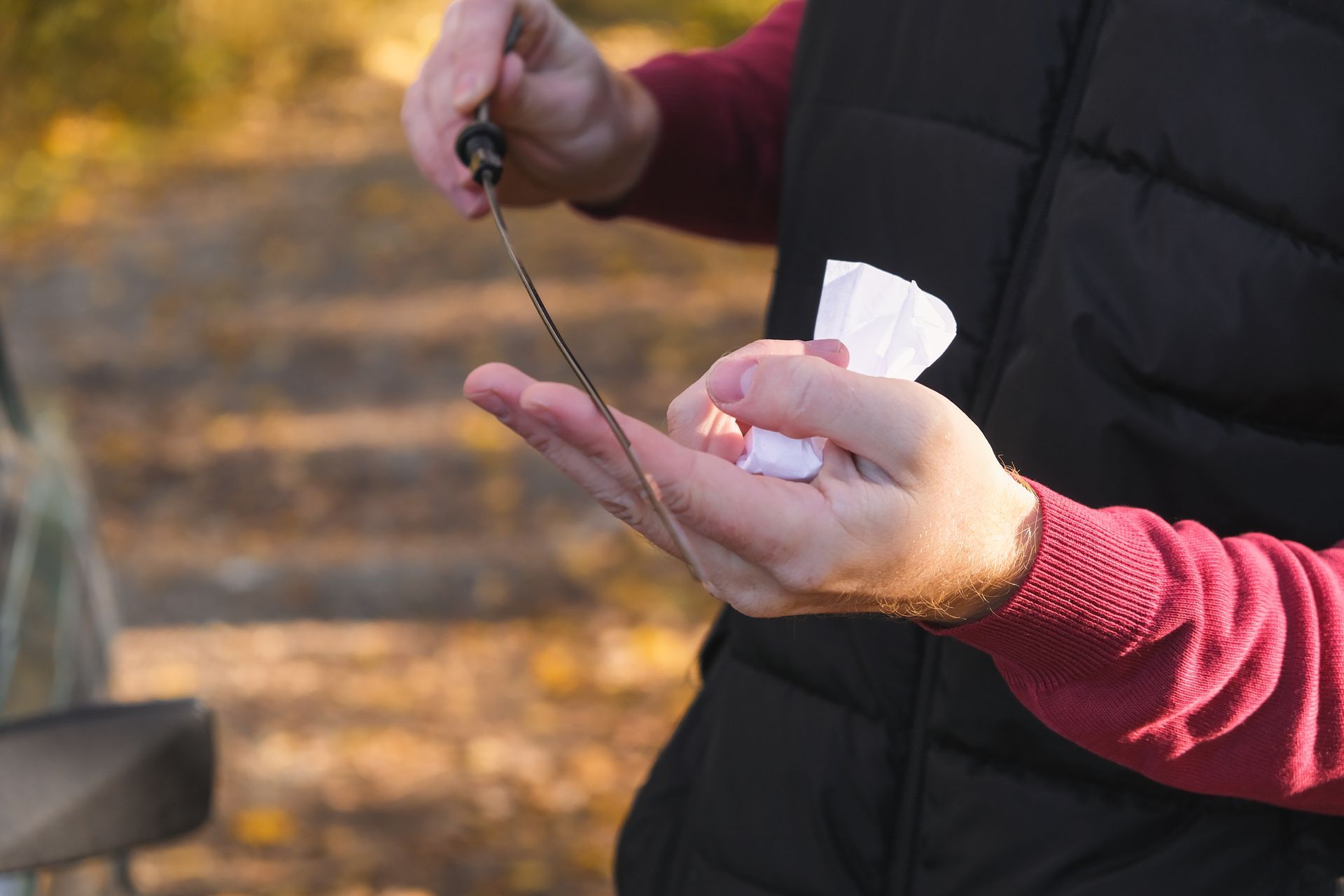
Your car relies on several fluids to operate safely and efficiently. Depending on the vehicle, you may be able to check the engine oil, coolant, brake fluid, power steering fluid, and windshield washer fluid under the hood.
Always follow the instructions in the owner’s manual before opening a reservoir or checking a dipstick. Some modern vehicles have sealed systems or electronic fluid monitors that should be inspected by a technician. Never remove a radiator cap while the engine is hot because pressurized coolant can cause serious burns.
Low fluid levels may indicate more than routine usage. If you notice a puddle under the car, a burning smell, visible smoke, or a fluid level that keeps dropping, schedule an inspection. Adding fluid repeatedly without finding the cause can allow a leak or mechanical problem to become worse.
Pay Attention to Dashboard Warning Lights
Dashboard lights are your vehicle’s way of letting you know something needs attention. Some lights are reminders, while others warn about problems that can affect safety or cause major damage.
A maintenance reminder usually means routine service is due. A check engine light may point to anything from a loose gas cap to an engine or emissions problem. Oil pressure, brake, battery, temperature, and tire pressure warning lights can indicate more urgent concerns.
If a warning light begins flashing or the car starts shaking, overheating, losing power, or making unusual noises, pull over when it is safe to do so. Continuing to drive may make the repair more expensive and could leave you stranded farther from help.
Do Not Ignore Brake Warning Signs
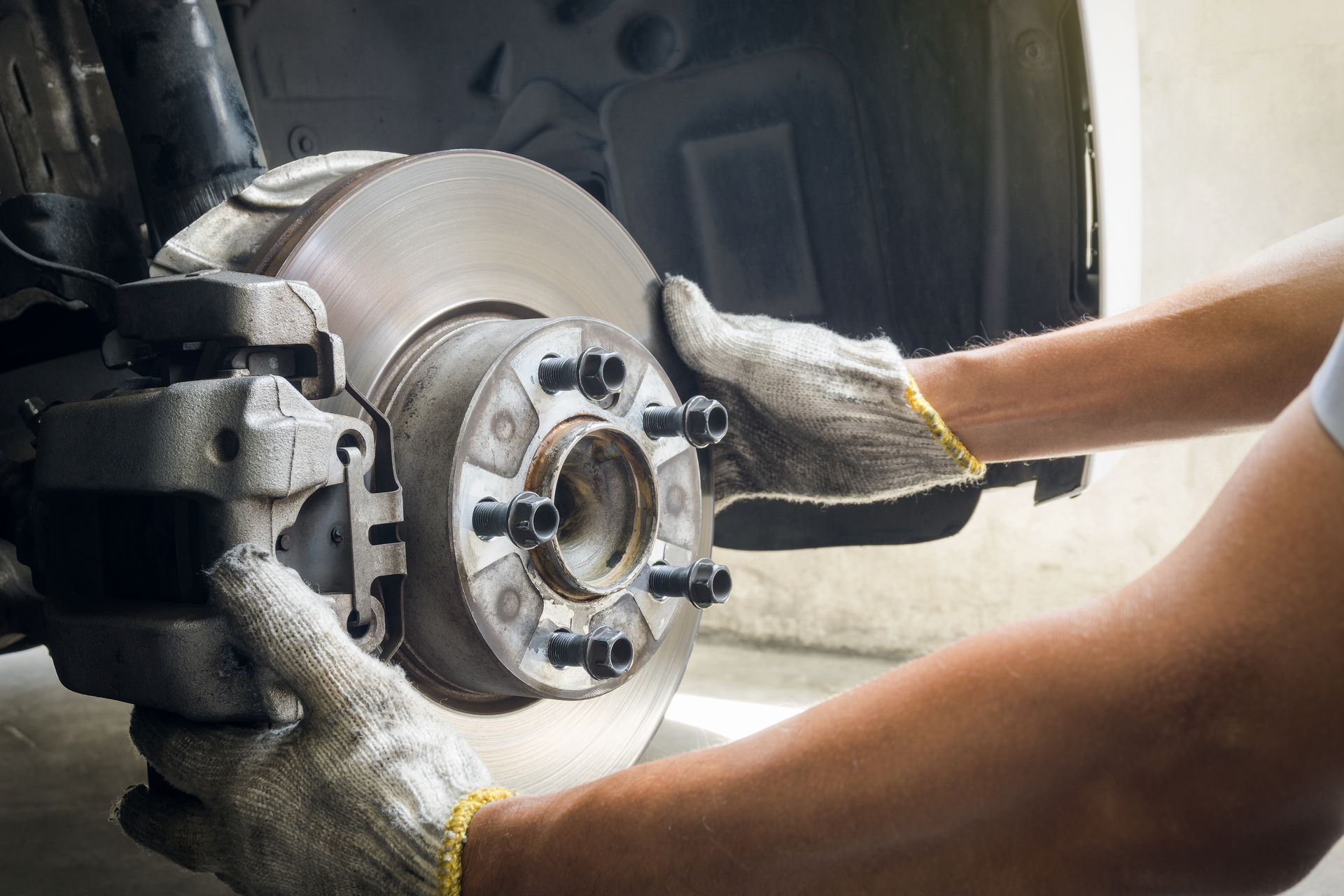
Brake pads wear down gradually, so you may not notice the change right away. Squealing, grinding, vibration, a soft brake pedal, or a vehicle that pulls during braking should be inspected promptly.
Waiting too long to replace worn brake pads can damage the rotors and increase the total repair cost. More importantly, worn or damaged brake components may reduce stopping performance during heavy traffic, wet weather, or an emergency.
Ask your repair shop to inspect the brakes during routine service, especially before a long trip home. A quick inspection can give you a better idea of how much life remains in the pads and whether any repairs should be planned soon.
Take Care of the Battery
Car batteries often fail without much warning, particularly during very hot or cold weather. Slow engine cranking, dim lights, electrical problems, or a clicking sound when you turn the key can signal a weak battery.
Check the battery terminals for corrosion and make sure the connections appear secure. If the battery is several years old, ask your repair shop to test it before winter, summer, or a long road trip. Battery testing is often quick and may save you from getting stuck in a parking lot after an evening class.
It is also helpful to keep jumper cables or a portable jump starter in the vehicle. Learn how to use them safely before an emergency happens, and never attempt a jump start if the battery is cracked, leaking, or visibly damaged.
Replace Wiper Blades Before You Need Them
Wiper blades are easy to overlook until heavy rain begins. If the blades leave streaks, skip across the glass, squeak constantly, or fail to clear the windshield, they should be replaced.
Visibility is especially important during early morning classes, nighttime driving, and sudden storms. Keep the washer fluid filled and make sure the spray nozzles are working properly.
A clean windshield also helps reduce glare from headlights and sunlight. Wipe the inside of the glass occasionally because dust and residue can create a hazy appearance that becomes distracting after dark.
Keep an Emergency Kit in the Car
Even a well-maintained vehicle can experience a flat tire, dead battery, or unexpected mechanical problem. A basic emergency kit can make the situation less stressful while you wait for assistance.
Useful items include a flashlight, phone charger, first-aid supplies, reflective warning triangles, bottled water, gloves, a tire pressure gauge, and basic tools. Students who drive in cold climates should also carry a blanket, ice scraper, warm clothing, and a small amount of nonperishable food during winter.
Make sure you know whether your car has a spare tire, inflation kit, or no emergency tire equipment at all. Many newer vehicles do not include a traditional spare, so learning what your vehicle provides before a flat occurs can prevent an unpleasant surprise.
Budget for Maintenance and Repairs
Car expenses are easier to manage when they are expected. Try setting aside a small amount of money each month for oil changes, tires, inspections, registration fees, and repairs.
Keep records of every service your vehicle receives. A simple folder, phone note, or maintenance app can help you remember when the oil was changed, when the tires were replaced, and what repairs have already been completed.
Service records can also help a technician diagnose recurring problems. They may improve the vehicle’s resale value by showing future buyers that the car was maintained consistently.
Schedule an Inspection Before Long Trips
College students often put more miles on their vehicles during holidays, school breaks, internships, and visits home. Before a longer drive, check the tires, oil level, coolant, lights, wipers, and washer fluid.
A professional inspection can also identify worn belts, weak batteries, brake problems, fluid leaks, and suspension concerns before you get on the highway. Finding a problem near campus is usually much easier than dealing with it several hours away in an unfamiliar area. Plan the inspection several days before leaving rather than the morning of the trip. Extra time allows the shop to complete any necessary repairs without disrupting your travel plans.
Build a Relationship With a Trusted Auto Repair Shop
One of the best things a college student can do is find a reliable repair shop before an emergency occurs. Having a trusted technician means you already know where to go when a warning light appears, a strange noise develops, or routine maintenance is due.
If you are heading back to campus this upcoming season, contact
Dave's Auto Service in Mountlake Terrace, WA to schedule a maintenance inspection.
We can check your tires, brakes, battery, fluids, filters, and other essential systems so you can drive with greater confidence.